Tuesday, May 1, 2018

In-app purchases are coming to Facebook’s Instant Games on Android and the web

Facebook is adding support for in-app purchases to its Instant Games platform, the company announced during a session on gaming at its F8 developer conference this afternoon. The feature will allow game developers to add another form of monetization beyond advertising to their games on select platforms, but not on iOS.

Instead, support for in-app purchases will be available to Instant Games on Android and on Facebook.com on the web.

First launched in 2016, Facebook opened up Instant Games to all developers last month. The platform allows developers to build mobile-friendly games using HTML5 that work across both Facebook and Messenger. The idea is to give game developers access to another sizable platform for their work, in addition to the existing app stores run by Apple and Google.

Facebook has had in-app purchases on its roadmap for Instant Games for some time, and began testing the feature with select developers around six months ago.

Similar to the app stores, the revenue share model for Instant Games is 70/30 on Facebook.com. However, on mobile, the games will follow the in-app billing terms from each platform, the company notes. That means purchases made in games running on Android devices, the 30 percent revenue share will apply after the standard mobile platform revenue share – aka Google’s own 70/30 cut.

That’s not ideal, of course. And all the hands in the pie may lead to game developers pricing their in-app purchases higher, as a result.

Facebook seems to acknowledge this concern in its blog post announcement, saying: “Our primary goal is to build [in-app purchases] in a way so that our developer partners can sustain and grow, and we’ll continue to evaluate rev/share with that goal in mind.”

Facebook wouldn’t confirm if or when support for in-app purchases is coming to iOS.

In addition to helping developers generate revenue outside of using ads in their games, in-app purchases in games could prove beneficial to Facebook as well. The company’s payment revenue has dwindled over the years, with things like Messenger payments never really seeing significant attention. Plus, Facebook made it possible for third-parties like PayPal to operate over Messenger, which signaled its disinterest in the payments space in general.

In-app purchases in games turns things around, a bit.

The submission process for in-app purchases will open up to developers on May 7, allowing them to implement the monetization features on Android and the web. In the meantime, Facebook is offering documentation about the feature here.


Source: TechCrunch http://j.mp/2rdbN2m

Workplace, Facebook’s enterprise edition, now has 52 SaaS apps and bots, opens up for more integrations

Workplace, the enterprise version of Facebook that competes against the likes of Slack, Microsoft Teams and Hipchat as a platform for employees to communicate and work on things together, says that it today has tens of thousands of organisations using its platform.

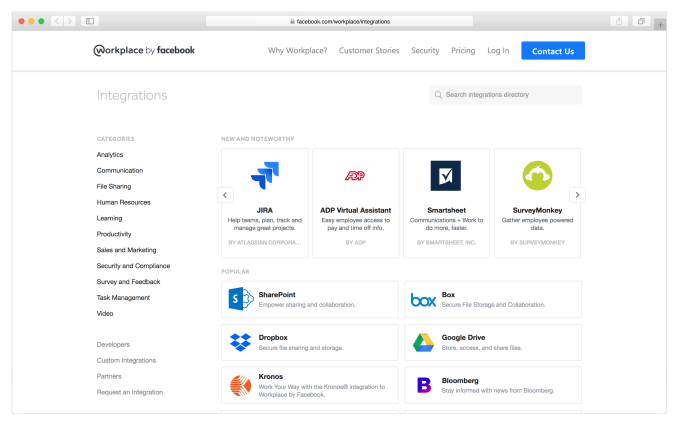
Now to pick up more, and to bring more of customers into the paid premium tier of Workplace, Facebook today is announcing a couple of new developments at F8. First, it’s expanding the premium tier of the service with several more integrations — apps that it says have been the most requested by the “tens of thousands” of organizations using Workplace — including Jira, Sharepoint, and SurveyMonkey, bringing the total now to just over 50. And second, Facebook is now taking applications for app developers who want to integrate with the platform.

The latter is a significant shift: up to now, Facebook had been handpicking third-party integrations itself.

The new apps that are being announced today roughly fall into three categories, as outlined by Facebook. Those that let users share information; those that let users get daily summaries; those that let users speed up data entry and data queries by way of bots.

New integrations for JIRA, Cornerstone OnDemand and Medallia allow users to bring in previews of content from these apps so that they can discuss them in Workplace. Users of Sharepoint from Microsoft can now also share folders from that into Workplace groups.

Meanwhile, users of SurveyMonkey, Hubspot, Marketo, Vonage and Zoom can get notifications from those apps to update on how campaigns and other work is running within those services.

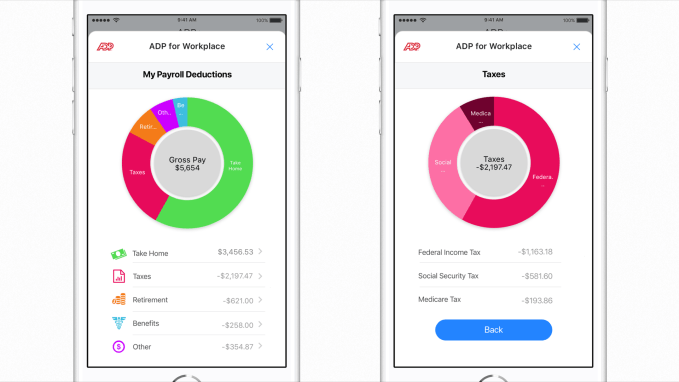
Lastly, it looks like Workplace is now bringing bots into its platform to help manage queries from apps outside of it. A new integration with ADP for example will let employees start a chat with it to request a payslip, book and get updates on vacation time and more. Others that are launching bots for querying their apps include AdobeSign, Kronos, Smartsheet and Workday.

The idea behind both is to continue to expand the usefulness of Workplace. When the service made its official debut in closed beta back in January 2015 (when it was called Facebook at Work), it was little more than a basic version of Facebook that could be used in a more closed environment. It changed to Workplace when it officially left its closed beta in October 2016, nearly two years later. The subsequent addition of apps and features like chat (which came a year after that) have also been very gradual. Even today, there is a big gulf between the 50 or so apps that you can use with Workplace and the 1,400+ that are available on a platform like Slack.

Julien Codorniou, who leads the Workplace effort at Facebook, describes the company’s slower approach to adding apps and features as very intentional.

“We don’t need 1,000 apps on Workplace,” he said. “Our customers ask for an application like Sharepoint or Jira. We wanted to keep the integrations meaningful, and to keep them beautiful in the news feed.”

In 2017 Workplace snapped up retail giant Walmart as a customer, and in a way that deal is indicative of how Workplace has positioned itself as a product: Facebook is targeting businesses that have a mix of employees that range from those who sit at desks to those who never sit at a desk. And as a result, it wants to keep the number of apps and IT noise low to avoid putting off those users. “We try to connect people who have never had access to software as a service by making products like ServiceNow easy to use.”

So there is a common touch, but it only goes so far. Ultimately, the full set of app integrations is only available for those users who are on the premium tier of the product. Pricing is $3 per active user, per month up to 5,000 users. More users are negotiated with Facebook. Those who are standard users get a much more limited range of apps, including Box, OneDrive and Dropbox and RSS. Codorniou would not comment on whether Facebook had plans to add more apps into the free tier.


Source: TechCrunch http://j.mp/2rcMKfQ

Google is launching .app domains, the first TLDs secured with built-in HTTPS, on May 7

Over three years after Google paid $25 million to gain the exclusive rights to the “.app” top-level domain, the company is at last making .app domains available to register starting on May 7, at 9 AM PDT through Google’s Early Access Program. The following day, the domains will go on sale for the general public, including through other registrars.

The new top-level domain (TLD) is an obvious choice for app developers and others in the tech industry, as it serves as an easy-to-remember alternative to .com domains – where inventory has long been running low for popular words.

In addition to the expected demand, Google is requiring HTTPS for all. app websites. This built-in security protects against ad malware, tracking injection by internet service providers, and safeguards against spying on open Wi-Fi networks, the company explains.

Google has been an advocate of pushing the web towards HTTPS adoption, noting last fall that 64 percent of traffic through its Chrome browser on Android was protected, up from 42 percent the year before. Chrome traffic on Mac was up to 75 percent, and on Windows up to 66 percent at the same time. The increases were due to a number of actions on Google’s part, including its decision to flag all websites using HTTP to transmit private information as “insecure.”

This year, Google said it would mark all pages without HTTPS encryption as insecure starting in July with the launch of Chrome 68.

Given its plans, it makes sense that Google’s new domain addition would also include HTTPS protection built-in.

Still, it’s something of a milestone, Google notes.

“Because .app will be the first TLD with enforced security made available for general registration, it’s helping move the web to an HTTPS-everywhere future in a big way,” the company writes in its announcement of the new TLD.

Prior to the public launch of .app, Google had reached out to potential candidates, offering them a first crack at grabbing a .app domain in order to showcase the potential use cases. Some of those who are already live on .app domains include Outdoor Voices, Cash App, Sitata, Albert, Picnic, Trail, BNEXT, Bark, CallApp, The Podcast App, Pickle, MenaVR and many others from around the world. (A list is here.)

The company also removed the requirement that limited the domain to app developers, though Google suggests the name makes the most sense in that market.

In an interview last month with Domain Name Wire, Google said that it aims to make .app domains affordable – it expects the pricing to be less than its other TLDs like .how or .soy, for example. The site said that would mean wholesale pricing would be around $10-12 and retail registrations would be $20. (Pricing was not detailed in today’s announcement, however.)

Interested .app domain shoppers can register their domain of choice on May 7, 2018 starting at 9 AM PDT, if they want to pay the additional fee for early access ahead of the domain’s launch to the public through other registrars.

More info is on the get.app website.


Source: TechCrunch http://j.mp/2w8qhFU

Following Gmail’s makeover, Outlook rolls out new features focused on business users

Microsoft announced a series of new features for Outlook across desktop, mobile and web to take a big of the focus off of Gmail’s massive redesign. Some of the features highlight Outlook’s usefulness in the workplace – like new meeting room suggestion capabilities and RSVP tracking. But others, particularly on mobile, are more innovative – like Quick Reply which turns email replies into chats – or Office Lens, which enhances attached photos.

Office Lens was already available in a standalone mobile app that does things like straighten out photos of paper documents, whiteboards and business cards. But this sort of image correction technology has made its way to other apps, as well – like Microsoft Pix’s camera app, which now lets you scan business cards to find people on LinkedIn.

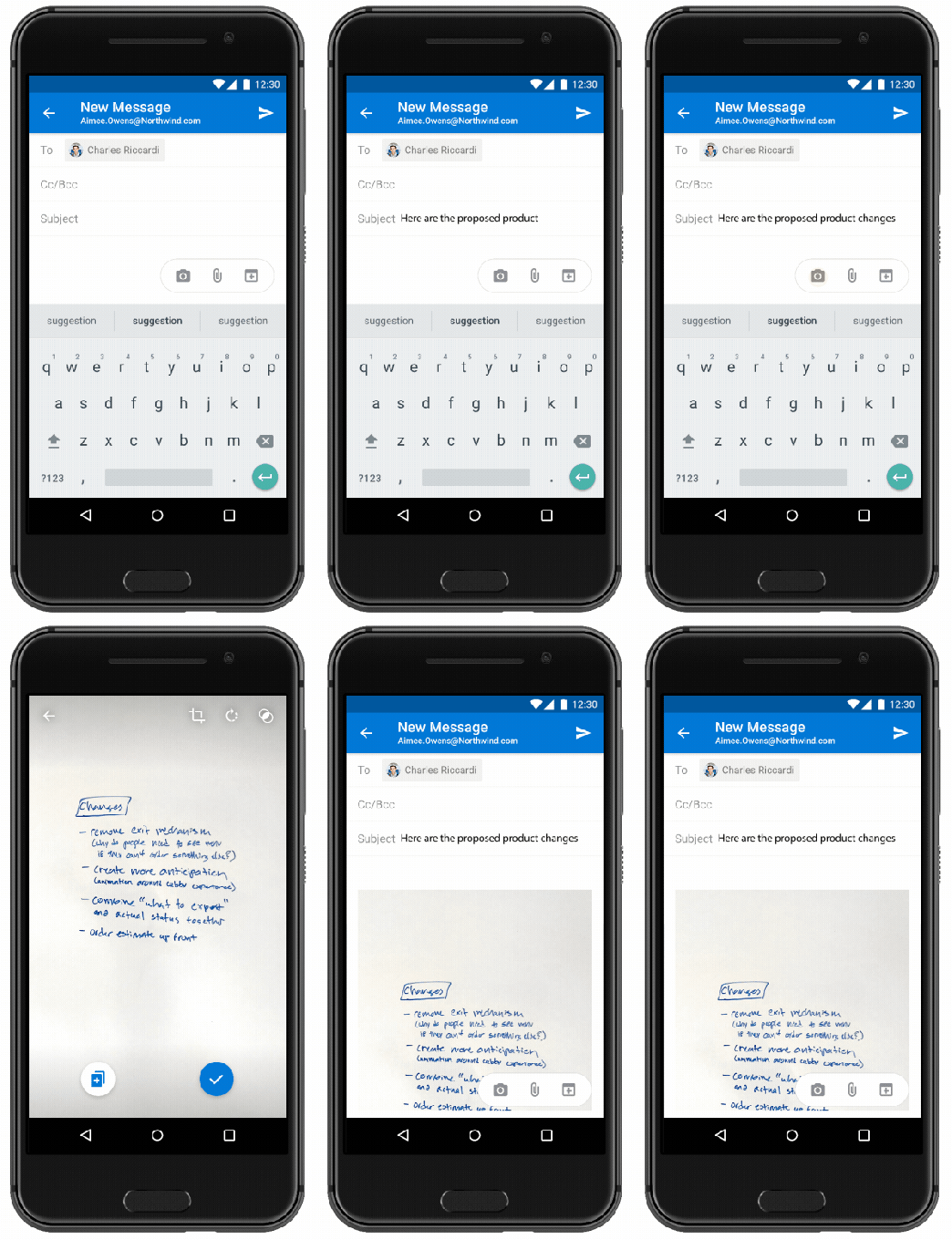
In Outlook, Office Lens can automatically trim and enhance a photo of a whiteboard, document or photo, then embed it in your message. The feature is arriving first to Android later this month.

Quick Reply, meanwhile, keeps your message in view, but then adds a new reply box at the bottom of the screen. This makes the reply experience feel more like using a chat app. This is also hitting Android this month, and will come to Mac this summer. It’s already live on iOS.

The mobile version of Outlook will also gain a way to flag key contacts (iOS and Android in June); sync draft folders across desktop and mobile (iOS in May. Already live on Windows, Mac and Android); view Office 365 Groups’ events in Outlook and OneNote (Outlook for iOS in June); block email tracking like those from marketers (Android in May): and new features for enterprise customers to protect sensitive data.

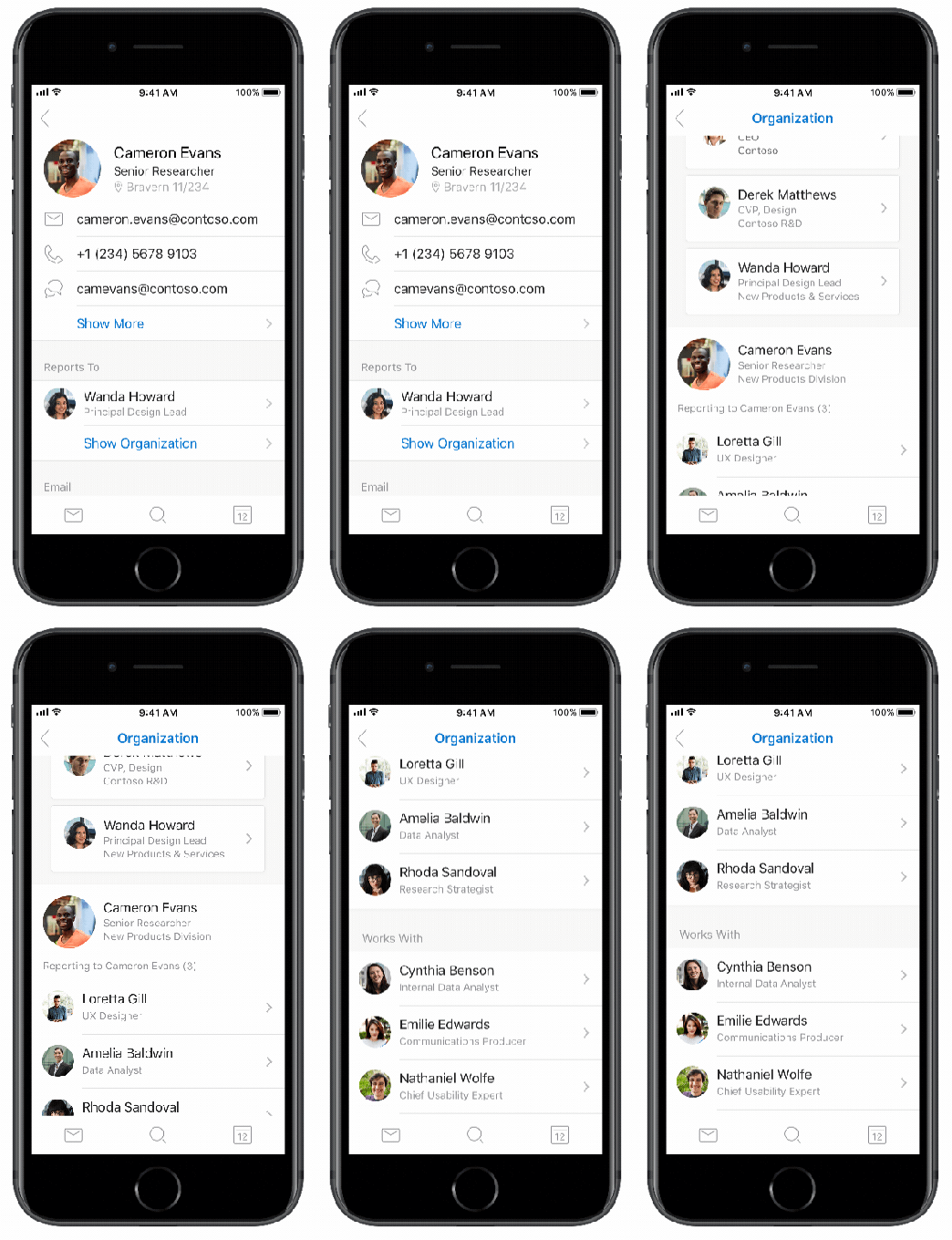
Outlook Mail adds a few tweaks like BCC warnings when you’re the blind copy, proxy support, and the ability to view organization information if you’re connected to Azure Active Directory.

Calendar is getting a number of features, including bill pay reminders, suggested event locations and meeting rooms, meeting RSVP tracking and forwarding, and expanded support for multiple time zones for meetings and appointments (so you can set up your travel start in your current zone, and then set up the arrival with the local time at the destination, e.g.).

[gallery ids="1631475,1631476,1631477,1631478,1631479"]

None of these features, however, are significant upgrades on the scale of the Gmail overhaul, whose focus wasn’t just on business user needs, like Outlook, but on additions that both corporate users and consumers can leverage – like self-destructing messages, snooze buttons, and a handy new sidebar for accessing your calendar, tasks, and notes.


Source: TechCrunch http://j.mp/2KrIfpP

Facebook launches commerce “Analytics” app

Facebook wants to prove it can earn businesses money, not just build their social media audience. This morning, just before its big F8 conference, a “Facebook Analytics” app for iOS and Android appeared in the app stores. It touts the ability to “stay on top of your growth, engagement, and conversion efforts on the go. Easily view key metrics and reports, check automated insights, and receive notifications when changes occur.”

As social marketing has matured, companies aren’t content just getting Likes, followers, and reach. They want to sell stuff. Between store fronts on Facebook, marketing bots on Messenger, professional accounts and shopping tags on Instagram, and the new WhatsApp For Business app, Facebook wants to offer tools to keep them loyal.

We’ll likely hear more about the Analytics app later today during the conference, and we’ve reached out for more info. The app complements Facebook’s Pages Manager and Ad Manger. But rather than just those surfaces, the Analytics app helps businesses track their apps, websites, bots, and event source groups.

The Facebook Analytics app lets uses create custom mobile views of their most important metrics like revenue, retention, demographics, and active users. It ties into Facebook’s web Analytics suite to let you view funnels, cohorts, and segments you’ve created there. Some businesses will also see automated insights such as that you’ve expereinced a period of higher sales, or that a certain demographic spends more time or money in your app.

If Facebook can boost confidence in the return on investment businesses get from its social network, it could convince them to invest more in ads, content, and managing their presence there. Clients have largely stuck with Facebook through its recent scandals because there’s simply no place with more precise ways to reach customers. But as the app hits saturation in certain markets and user growth plateaus, Facebook must keep finding ways to squeeze more money out of each of them.


Source: TechCrunch http://j.mp/2HH2ZrM

Local marketplace OfferUp takes on eBay with launch of nationwide shipping

OfferUp, the mobile marketplace for buying and selling locally, is expanding its sights beyond your neighborhood. Today, the company is announcing an expansion of its service that will now allow sellers to ship their items nationwide to interested buyers, potentially netting them a larger audience than if trying to sell only within their local community.

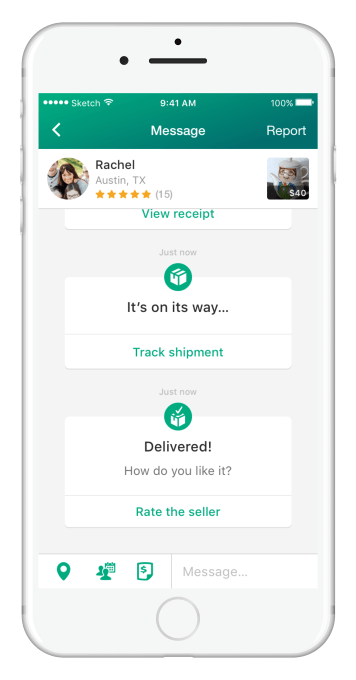
The feature to browse the items outside your area will appear in a separate “shipping” tab in the new version of the OfferUp app for iOS and Android, arriving today.

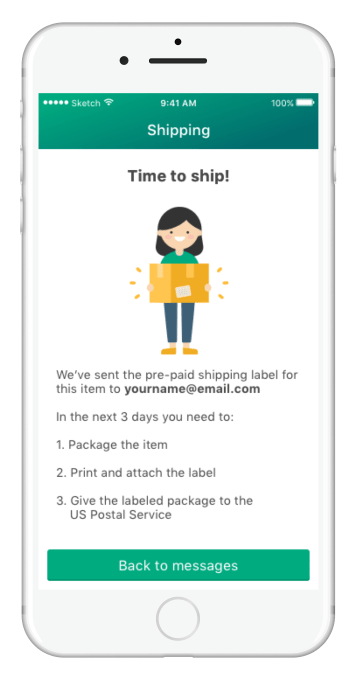
When sellers list an item, they’ll have the option to toggle on a switch to “sell & ship” nationwide. They then pick the item’s weight from the options that appear (up to 20 lbs). Items must also be under $500, and are shipped via USPS. Buyers are kept up-to-date on the item’s status through the app, as well.

Listing items for nationwide shipping is free. Sellers are paid after the item is sold, less a 7.9 percent fee, which goes to OfferUp. (This is less than eBay’s standard 10%).

The transaction fee represents a new revenue stream for OfferUp, which before had offered paid tools to promote items for sale, but not a cut of transactions.

The company declines to say how much it makes from its existing paid offerings and ads, or if it’s turning a profit. Likely it needs to enter into transactions like this, to grow its revenue and justify its $220 million in VC investment.

The move will also pit OfferUp in more direct competition with eBay, which it already outranks in the App Store’s Top Charts where it’s No. 3 to eBay’s No. 8 in the Shopping category. While eBay still has a much larger user base – 171 million globally active buyers, as of its most recent earnings for example – OfferUp has managed to grow to over 42 million uniques during the past 12 months, just here in the U.S.

The company claims to reach buyers and sellers across the country, and not just in urban metros. And it claims its buyers are interested in a range of products, as opposed to favoring those in a single category or two.

“I think that’s why people come back so often,” says OfferUp co-founder and CEO Nick Huzar, when explaining why users will return to the app, on average, 2 or 3 times per day. While furniture is popular because it’s a local marketplace, he adds, OfferUp users browse all kinds of things – from electronics to clothing to baby needs and even cars.

“It’s not like Amazon where it’s very intent-based – where you know what you want. OfferUp is more discovery-based. You go in there and you kind of look around and you find that thing you didn’t think you wanted that you end up buying,” Huzar says.

The app has also grown in popularity because of its systems to make transactions more trusted than those on Craigslist, which has been one of OfferUp’s bigger competitors to date, along with Facebook’s Buy/Sell Groups. Users on OfferUp can optionally verify their identity with Driver’s License uploads, and/or by confirming their phone number, Facebook or email. Users can also rate transactions, and see sellers’ response rate to questions, among other things.

The shipping feature has been in testing for a few months prior to today’s nationwide launch across the 48 contiguous U.S. states. To gain access to the option, you’ll need to update to the latest version of the OfferUp app on iOS or Android.


Source: TechCrunch http://j.mp/2vZcOA8