Tuesday, October 2, 2018

HireClub wants to bring career coaching to the masses

Finding a job can be tricky. And once you find that job, it can be difficult to succeed and excel in it. HireClub wants to help with all of that.

HireClub started as a job-posting group on Facebook back in 2011 and has since expanded to a full-fledged business that helps people find jobs, prepare for interviews, negotiate salaries and generally navigate the workplace.

Today, HireClub has about 20,000 members in that Facebook group and offers coaching subscriptions across three tiers: standard, pro and executive. The pro plan, for example, costs $149 a month and gets you one hour’s worth of phone-based coaching and unlimited texting with your coach.

Compared to some other career coaching services, HireClub is a steal. One career coaching service I came across costs $2,000 for ten, one-hour sessions. That comes out to $290 a session. Another one costs $50 for thirty minutes, which is cheaper than HireClub’s $89 per month service that gets you one 30 minute call.

HireClub, which counts $6,500 in monthly revenues, currently has 60 clients on board who are supported by 40 coaches. The company says 90 percent of its clients find a job within 60 days.

HireClub’s marketplace of coaches range from professional, certified coaches looking to expand their client base to human resources professionals who have been doing work on the side. With HireClub, you can also book single sessions for a resume review, job interview prep and salary negotiation. For $39, you can book a resume review and for $99, you can book a mock interview.

People rarely get to practice interviewing, and most companies don’t give feedback after an interview, HireClub founder Ketan Anjaria told me. That’s what makes it hard to improve.

“I want to make coaching more accessible,” Anjaria said.

HireClub’s target customers are people changing careers, college graduates and women. The latter is because of a lack of support in the workplace and issues of discrimination, Anjaria said. Today, 60 percent of HIreClub’s customers are women.

The small startup has raised just $50,000 from its members. HireClub is currently looking to raise a seed round from traditional investors, but Anjaria said it’s been a tough journey. With funding, Anjaria says HireClub would be able to employ its staffers full-time, and launch an iPhone and Android app.


Source: TechCrunch http://j.mp/2xRsBzm

Facebook rolls out new anti-bullying tools and an appeals process

Facebook is introducing new tools to tackle online bullying, the company announced this morning. Specifically, it’s rolling out a way for people to hide or delete multiple comments at once from the options menu of a post, and is beginning to test new ways to more easily search and block offensive words from showing up in comments. It’s also rolling out a new way to report bullying on behalf of others and is offering the opportunity to appeal decisions related to bullying and harassment.

There’s an old internet adage, “don’t feed the trolls.”

It means you shouldn’t engage with disruptive commenters – those who are making ridiculous, rude, and offensive statements designed to anger or attack others. But on Facebook, no one seems to heed this rule. As soon as a troll’s comment appears, it quickly becomes the top comment on the post as everyone piles on to tell them how wrong and rude they are.

While people’s inability to ignore trolls is part of the problem here, an even larger factor is that Facebook built out a massive social network of now over 2 billion users before it took the time to thoughtfully consider what sort of tools are needed to address online abuse.

While it may feel like bullying and harassment has increased on Facebook thanks to the current political climate – it’s always been there…and at scale. The issue is especially troubling considering the ramifications that continued bullying and abuse can have on online users – it can be a factor in troubled teens’ decisions towards self-harm and suicide, for example. (And Facebook users can be kids of just 13, per its official rules.)

At its worse, online hate speech spreading across Facebook has contributed to genocide.

It’s irresponsible, at this point, for large scale social platforms to not make anti-abuse tools one of their biggest priorities.

The first of Facebook’s new additions will allow users to better control how people interact with their posts. They’ll now have a way to hide or delete multiple comments at once from the options menu of the post. Currently, you can remove a single comment at a time – which makes it difficult to moderate posts that have a lot of activity, or where one user has continued to post abusive remarks throughout a number of conversation threads.

This feature is rolling out now on desktop and Android and will hit iOS in “the coming months.”

An upcoming feature will also introduce the ability to search and block offensive words, Facebook says.

Instagram has offered offensive word blocking tools for years, and implemented A.I. to detect and hide harassing comments. That Facebook is just now getting around to improving its own tools on this front is notable, in terms of the delay involved here.

Facebook didn’t say when offensive language blocking tools would be made public.

Another new tool will allow friends and family to report bullying and harassment on behalf of victims via the menu above the post in question. Facebook’s Community Operations team will review the post, keep the report anonymous, and determine whether it violates the company’s Community Standards, it says.

Facebook says it added this option because some people don’t feel comfortable reporting a bully or harasser themselves.

Protecting People from Bullying and Harassment

Posted by Facebook on Monday, October 1, 2018

On the flip side, Facebook will allow those dinged for being abusive to request an appeal.

Earlier this year, Facebook said it was rolling out a new process that allowed people to request a second review of their photo, video or post that had been removed for violation of the Community Standards. Now this appeals process is expanding to bullying and harassment violations. This could help combat reports where people submit items for being abusive that are really just unpopular statements, but not necessarily those that would constitute online harassment.

The appeals process can also be used to request Facebook take a second look at content that it declined to take down the first time.

Another notable change is that Facebook is ramping up its protection for public figures.

Online, including on Facebook, anyone who gains a following has been subject to a slightly different set of rules than private individuals. To some extent, this is necessary – politicians, for example, still have to hear from constituents, even when those constituents are sharing their thoughts a rude or harassing fashion.

But the attacks on public figures often go too far. Earlier this year, Facebook expanded protections on young public figures, and now it will turn its attention to better protecting “severe” attacks that directly engage other public figures, as well. (The company didn’t define how it measures severity.)

Facebook’s post also highlighted a recent partnership with the National Parent Teachers Association in the US to facilitate 200 community events in cities in every state to address tech-related challenges faced by families, including bullying prevention. It’s also now offering a peer-to-peer online safety and anti-bullying program to every secondary school in the UK, through partners. And it supports a program in India that has educated tens of thousands of young people about online safety, thoughtful sharing, and privacy and security, the company claims.

It’s good that Facebook will roll out improved tools around bullying. But it should have done so ages ago.

Because of Facebook’s size and scale – it also runs Instagram, and messaging platforms Messenger and WhatsApp – it has already set the tone for much of online culture.

For years, it has permitted back-and-forth heated discussions to devolve into harassment and bullying. It has sacrificed people’s mental health and wellness at the alter of “increased engagements” on its site – a metric that impacts its bottom line. Newer platforms, like Twitter, later emerged without having to live up to any sort of standards around reasonable and thoughtful discussions, thanks to Facebook’s inattention or slow reactions to dealing with hate speech and abuse.

“Everyone deserves to feel safe on Facebook, and it’s important that we help people who encounter bullying and harassment online,” writes Antigone Davis, Facebook’s Global Head of Safety, in the company’s announcement. “We know our job is never done when it comes to keeping people safe, and we’ll continue listening to feedback on how we can build better tools and improve our policies.”


Source: TechCrunch http://j.mp/2Ngg79l

Tile’s new lost item trackers offer replaceable batteries, subscription service

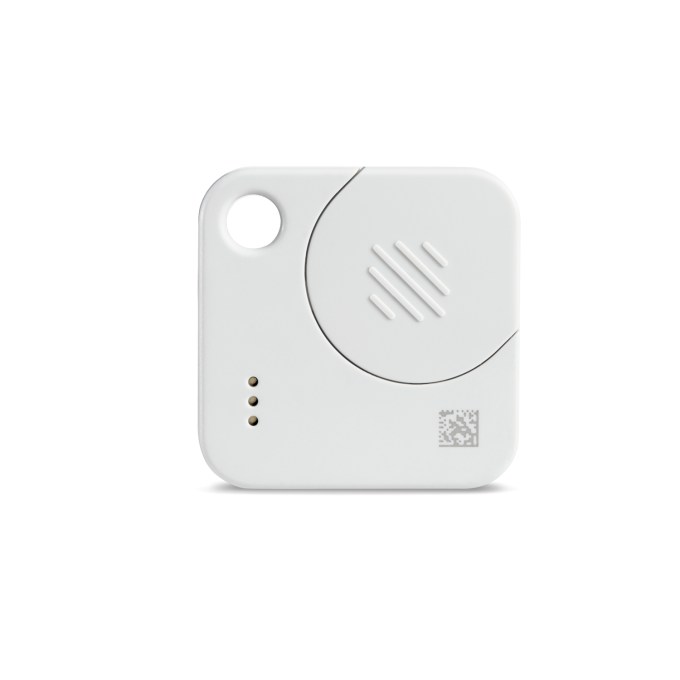
Just around a week ago, lost item finder Tile announced its new CEO and added Comcast as an investor. But the company isn’t done making changes just yet. Today, Tile is launching new devices that tackle consumers’ most frequent complaints about its trackers – the lack of a user-replaceable battery. Now, Tile’s flagship products, the Tile Mate and Tile Pro, will be powered by coin cell batteries – which Tile can automatically ship to you when they start to run low, via a new subscription program.

“Most of the reviews that ding us are tied to the fact that we don’t have a replaceable battery,” explains Tile CEO CJ Prober, who recently took over the position from co-founder Mike Farley, who stepped away from his day-to-day role at the company. “Users have to go out and buy new Tiles, reattach them, and reactivate them,” he says.”It’s quite a significant barrier to remaining a Tile customer.”

User-replaceable batteries are also a significant departure from Tile’s original vision, which had argued that not having to accommodate a battery allowed its devices to be thinner than rivals.

That’s not to say these new Tiles are big, by any means.

The new Tile Mate measures 34.7mm x 34.7mm x 6.2 mm and weighs 7.5g, compared with 34 x 34 x 4.65 mm and 6.1g.

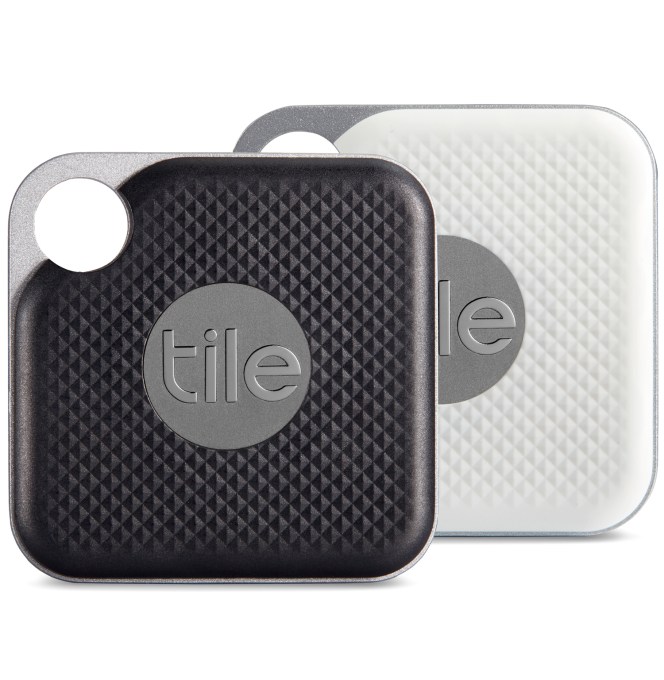
And the new Tile Pro, which has double the range of the Mate, today comes in at 41.6mm x 41.6mm x 6.5 mm and weighs 12.8g. The older version was 37.5 x 37.5 x 5.9 mm and weighed 11g. 

In other words, these are still very small dongles – perfectly sized for keychains, bags, purses, and more.

However, Tile’s other device, Tile Slim, designed to slide into your wallet, will not be upgraded today. It will continue to have a non-replaceable battery for the time being we’re told.

To remove the battery from the new Mate or Pro, you use your thumb to push off the small door on the back of the device. With a paperclip, you pop out the old battery and then pop in the new one.

While the battery is the biggest change to the new products, the devices are also louder and have a longer range than before. The Mate’s range is now 150 ft and the Pro can reach 300 ft.

The Mate is also 50% louder than older Mate models, and the Pro is 100% louder than the new Mate.

With the update, Tile is also shifting to a new subscription product. The company previously offered a reTile program that offered hefty discounts on new devices when the old devices’ battery died. That’s not immediately ending, Prober says. Instead, customers will be gradually shifted over to the new devices as their old ones stop functioning.

And instead of recycling Tiles, customers will instead be offered a variety of features along with battery shipments. For $2.99 per month (or $29.99 per year), Tile Premium subscribers will receive an extended, 3-year warranty, on-demand customer support via SMS, battery replacements, unlimited sharing (ideal for families tracking devices together), location history, and a “Smart Alerts” feature, launching into beta.

The location history feature will give you a map and list of your Tile’s last known locations over the past 30 days as Tiles ping the server (which they do more often when being moved), while Smart Alerts will help you not to leave items behind.

At launch, Smart Alerts will ping you if you’ve left something behind at your (pre-configured) home address – like if you walk out the door without your wallet, gym bag, work badge or something else you track. Over time, the plan is to support other addresses, too.

“We’re definitely thinking about multiple locations,” Prober says.

Above: Tile Pro, now in black and white. The pretty white-and-gold one is gone. 

Tile Premium will work with any Tile device as well as embedded solutions in partners‘ products, like the Tile-enabled Bose headphones, for example. It’s rolling out first on iOS with Android to follow.

The move to subscriptions aims to capitalize on the sizable market Tile has created. To date, 15 million Tiles have been sold. These connect to locate 4 million items daily with a 90% success rate, thanks the community-find feature that lets Tile work beyond Bluetooth range via a crowdsourced network of Tile owners.

The upgraded Tiles are available today. The Mate is $25 and the Pro is $35.

The products are sold at Tile.com and via major retailers including Amazon, Best Buy, Target, AT&T, Verizon (TechCrunch parent by way of Oath), and others.


Source: TechCrunch http://j.mp/2zL33W3

Apple adds student ID cards into Apple Wallet to access buildings, buy food and more

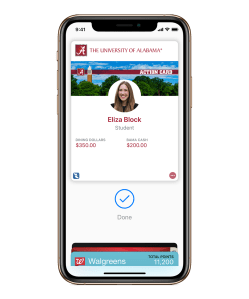
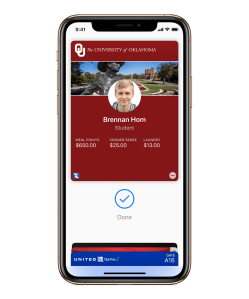
The education market has long been one of the cornerstones of growth for Apple’s hardware business, and today the company is leveraging its popularity in it, specifically among college-aged students, to build out a newer effort. Today, Apple started to integrate university student ID cards — used to access buildings, pay for food or books, and any other transactional campus services — into Wallet, its contactless payment system on the Apple Watch and the iPhone. The first schools to come online are Duke University, the University of Alabama and the University of Oklahoma.

Apple had actually announced the service back in June, during WWDC, earmarking the three schools going live today. It said that Johns Hopkins University, Santa Clara University and Temple University will start using the service by the end of this year.

The expansion comes at a time when Apple is riding on a growth high for its mobile wallet. iPhone and Watch owners have been shown to be enthusiastic users of their devices for making purchases (thrice as more avid, it seems, than Android users), and on the back of that, Apple Pay — which is now live in 24 markets — has laid claim to being the most popular mobile contactless payment in use today, with some 1 billion transactions in the last quarter alone, up three-fold from a year before.

Many of those transactions are specifically related to Apple Pay, made using more traditional payment cards such as American Express or Visa credit cards, and at traditional retail locations — Apple says it expects 60 percent of all US retail locations to support Apple Pay by the end of this year, including over 70 of the top 100 retail chains.

But Apple has also been pursuing a second wave of growth to make Wallet useful, by encouraging people to upload and use the myriad cards they have for various other services, such as loyalty cards and passes for city transport systems. Twelve US metro areas already use Apple Pay, and there is ground being gained internationally too in markets like the UK, China and Japan.

Adding in university student cards falls within that scope, Apple says.

“iPhone and Apple Watch have brought us into a new era of mobility, helping to transform everyday experiences,” said Jennifer Bailey, Apple’s vice president of Internet Services, said in a statement. “When we launched Apple Pay, we embarked on a goal to replace the physical wallet. By adding transit, loyalty cards and contactless ticketing we have expanded the capabilities of Wallet beyond payments, and we’re now thrilled to be working with campuses on adding contactless student ID cards to bring customers even more easy, convenient and secure experiences.”

Apple Pay may not appear to massively profit Apple in a direct way — as it’s been pointed out by others, the percentages on payment transactions are tiny — but what it does give the company indirectly is another tie into how people use their phones and watches, making the devices more valuable to their owners, and those users more tied into the Apple ecosystem.

At colleges (and other schools), we’ve seen an increasing use of student ID cards not just as a way to identify yourself, but to access services and buildings, and also to pay for things, and use of contactless versions of these has been on the rise. Part of the reason for this is safety: having one card for everything means students need to carry less valuables, and if they lose it or it’s stolen, the card can be more easily replaced. At the same time, watches and phones are not items they’re leaving behind, so further consolidating, and making those cards more secure by way of Apple’s device locks, makes sense.

What we don’t know is if Apple is getting a commission (even a tiny one) on the payment transactions made via these student cards. We have asked the company and will update as we learn more.

Educational institutions aren’t the only not-strictly-retail locations that are being put into Wallet. Apple’s been adding sports venues to let attendees use Wallet to carry their tickets, and to then buy food and other concessions once you get in. (See how Apple uses one non-commissioned transaction to lead you into using it for one that might be?)

Today, Apple is estimated to account for between 14 percent and 17 percent of the K-12 education market in the US, and with the likes of Google and Microsoft also pushing hard for growth both here and in higher education, you can see how adding in more services like this could help Apple expand its piece of the pie.


Source: TechCrunch http://j.mp/2zLykYF

Opera Touch is a solid alternative to Safari on the iPhone

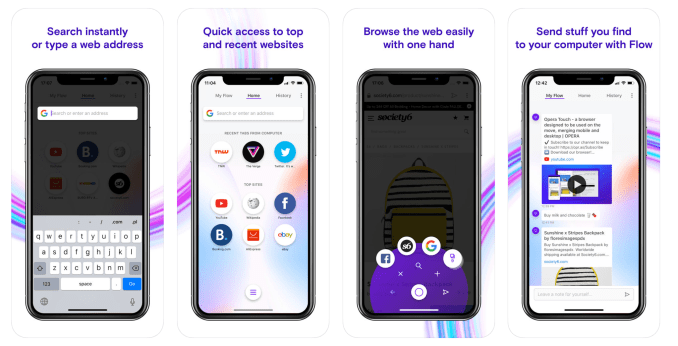
Browser company Opera is back doing what it does best, offering you beautifully-designed alternatives to the stock browsers from the likes of Google and Apple. This week the company brought its ‘Opera Touch’ browser to iOS to give iPhone owners a new alternative to the basic Safari browser.

The app was first launched for Android in April and, as we noted at the time, it reinvents a lot of the established paradigms to work well on mobile and particularly large screens that don’t have a home button — which is steadily becoming every premium devices on the market today.

Touch for iOS — which you can download here — will be particularly of interest to owners of the iPhone X or Apple’s newest iPhone XS, iPhone XS Max and (upcoming) iPhone XR devices since it is optimized for one-handed use. That’s to say it employs the same nifty user interface seen on the Android app (see below), which lets you open or close tabs, switch to search, go back or forward using a menu bar located at the bottom of the screen. One thing it is missing, for now, is more comprehensive management of bookmarks.

The app also includes Opera’s ‘Flow’ technology which lets a user pass links, images and notes from their phone to an Opera browser on their computer using a “secure and private” connection.

As ever, the Opera browser comes with ad blocking built-in and there’s the company’s usual protection from cryptojacking — that’s the process of being hacked and having your CPU used to mine crypto for someone else.

All in all, the browser is worth taking for a spin if you have Apple’s new home buttonless devices and seek an alternative to the pre-loaded Safari browser. Other options might include Google Chrome, recently given a redesign for its tenth anniversary, as well as Mozilla, UC Web, Dolphin and Brave.


Source: TechCrunch http://j.mp/2RkmOu2

Monday, October 1, 2018

The Essential Android Apps for 2018

Which Android app is worth a spot on your new smartphone or tablet? Trying to find the very best of the best is a challenging process, because there are millions of apps to pick from on the Google Play Store. Even if you just scan Google’s “top free” or “top paid” list on a daily basis, you’ll miss out on a lot of…

Read more...


Source: Gizmodo http://j.mp/2Nf8Hmy

Google Maps adds ‘Commute’ tab and music controls

Google just announced new features for Google Maps on Android and iOS. The update is rolling out this week and features a bunch of new features focused on commuting, music and getting more personal data from you.

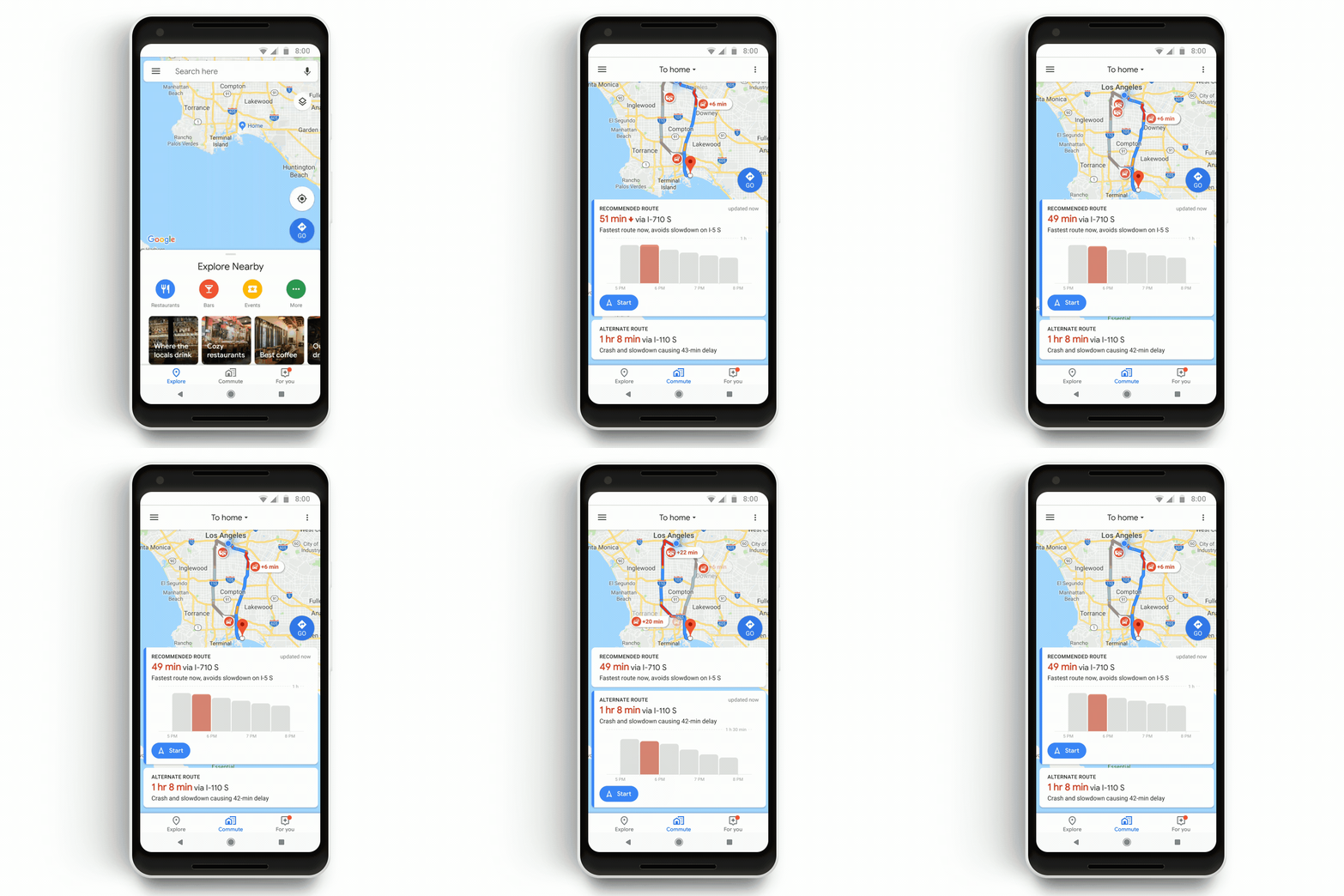
While Google Maps is particularly useful for road trips and vacation, the app can also be useful for stressful commutes. Google is resurfacing some of those features with a new ‘Commute’ tab.

After setting up your home and work address, the app will help you know what to expect in the morning and the evening. If you drive to work, Google Maps now tells you how long it’s going to take and if there are any alternative routes. It works pretty much like Waze’s ETA screen and tells you if it’s going to be faster or slower in 30 minutes or an hour.

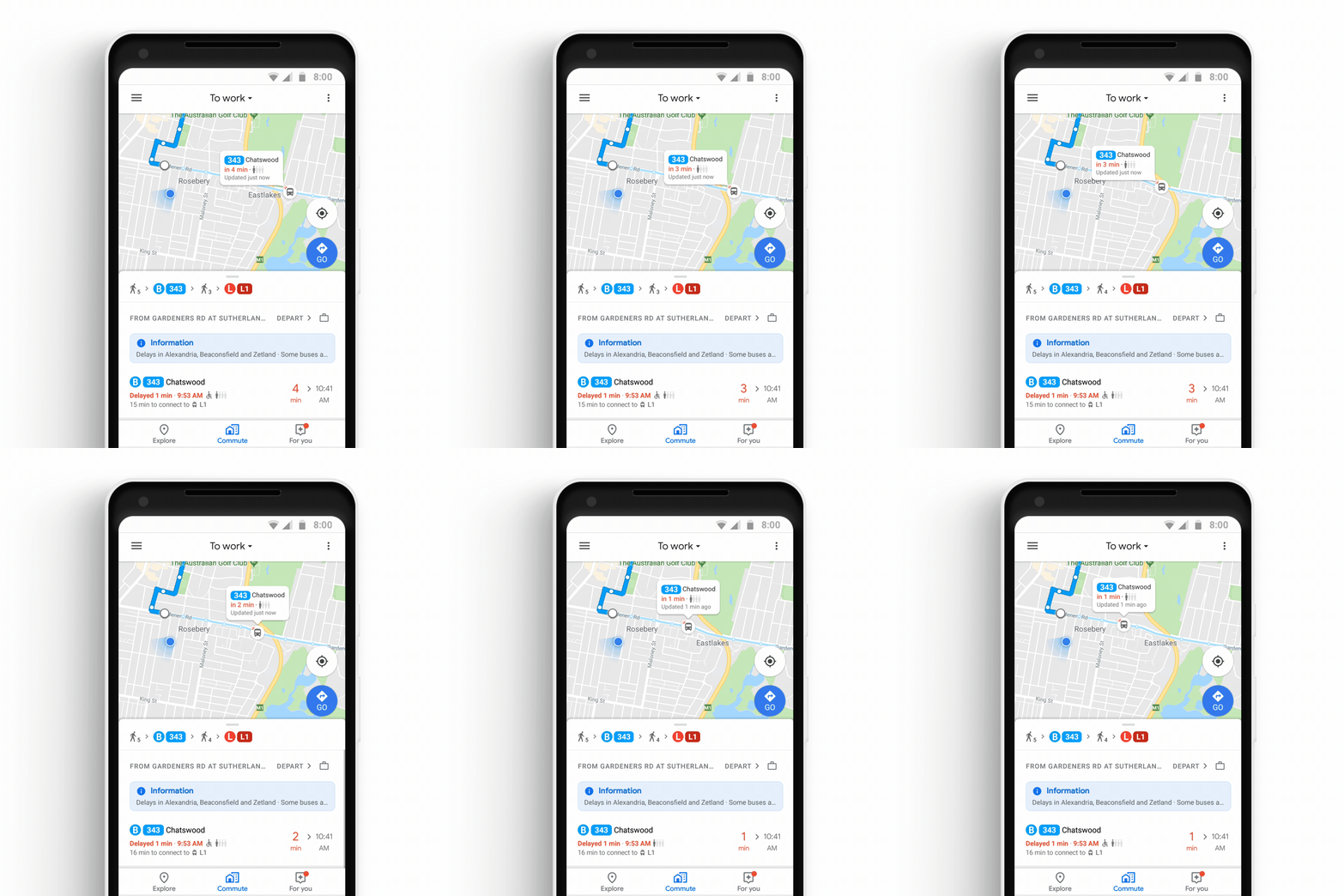
If you take the bus or train to work, Google Maps can help you find out when you should leave. The app takes into account the walk or drive to the station. Those public transit features compete directly with Citymapper and most likely relies on a lot of open data.

Talking about public transit, you’ll be able to see your bus or train on the map, slowly moving closer to you. The app also tells you how long you have to wait. This feature will be available in 80 regions around the world. In Sydney, the app tells you how full the next bus is going to be.

Unfortunately, this update comes with a privacy drawback. Until very recently, you could associate your home and work address with your Google account in Google Maps.

Now, you need to activate ‘web & app activity’, the infamous all-encompassing privacy destroyer — I used to store my home and work address and I can no longer change those addresses without enabling that. If you activate that setting, Google will collect your search history, your Chrome browsing history, your location, your credit card purchases and more.

And Google nudges you to activate that “feature” all the time. You need to turn on ‘web & app activity’ to use Google Assistant on an Android device for instance. It’s becoming quite clear that Google is monetizing its newest features with your data.

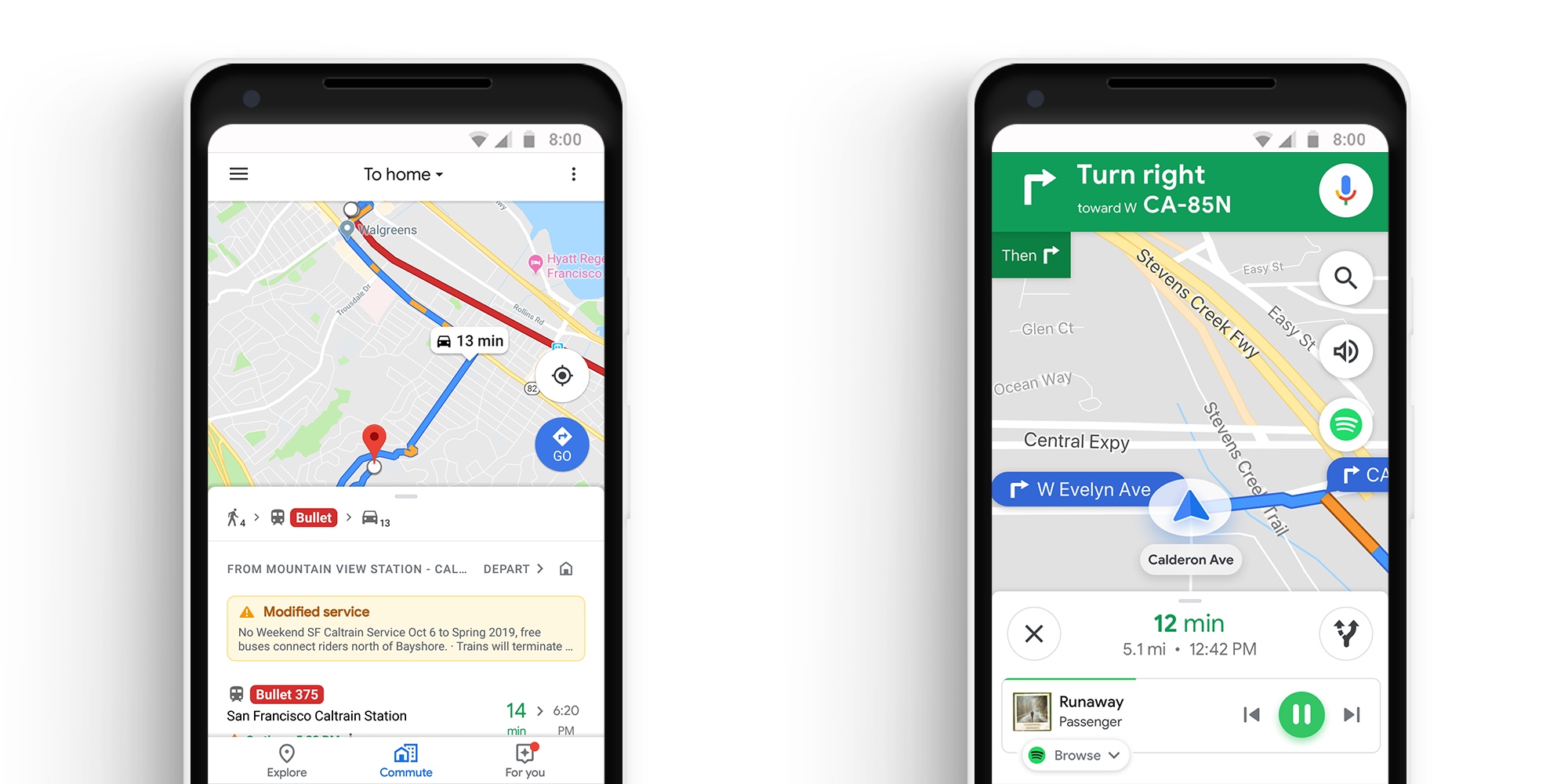
In other news, Google is also adding music controls in Google Maps. You’ll be able to control Spotify, Apple Music and Google Play Music. It looks like the company is taking advantage of taller screens to add a banner near the bottom of the screen with the current song and the ability to skip a song or pause the music.

There will be a new button on the right to open your music app as well. Spotify users on Android will also be able to browse the Spotify library from Google Maps directly.


Source: TechCrunch http://j.mp/2RbTYwd