Friday, September 27, 2019

YouTube Music will be preinstalled on Android 10 and new Android 9 devices

Here’s one way to play catch up in the competitive streaming music market: preinstall your app on millions of Android handsets. That’s what Google will now be doing with YouTube Music. The company announced today the app will come preinstalled on all new devices launching with Android 10 as well as Android 9, including its own Pixel series of smartphones.

The move comes at a time when the company’s music strategy is in need of change.

Since the launch of YouTube Music in November 2015, Google has operated two separate music services — the other being Google Play Music, launched in 2011. To add to the confusion, YouTube also offered a subscription tier, originally called YouTube Red and rebranded later to YouTube Premium, which would provide access to both Google Play Music and YouTube Music. Plus, Google Play’s subscribers would also receive access to YouTube Premium. Oh, and as of last May, Google also allowed you to buy YouTube Music separately, if you’d prefer.

Did you follow all that?

Okay, sure, this wasn’t as bad as Google’s bizarre messaging app strategy, but it was still a mess.

This April, Google finally confirmed that it would replace Google Play Music with YouTube Music, explaining that the closure of Google Play’s Artist Hub was a part of a broader strategy to merge the two music services.

But despite today’s news that YouTube Music is being added to the list of preinstalled apps that ship with Android, and is now the new default, the Google Play Music shutdown has not yet occurred.

Instead, the company says that Google Play Music listeners with Android 10 devices can continue to use the service by downloading the app directly from the Play Store, if desired.

And those without a new Android (9 or 10) handset can continue to seek out YouTube Music from the Play Store, if they choose.

YouTube’s streaming music service is fairly competitive in terms of feature set with its larger rivals, like Apple Music and Spotify. Like most in the space, it also offers the ability to discover and stream music, but in its case, this includes albums, live performances, and remixes. With a paid subscription, YouTube Music users can listen ad-free and offline. It also just introduced its own version of Spotify’s Discover Weekly, with the launch of its own Discover Mix.

But because YouTube Music has had to compete with Android’s built-in music app for subscribers, it’s been lagging in subscribers, compared with Spotify and Apple. This is made worse by the fact that there’s not been a way to import a Google Play Music user’s playlists and liked songs, curated over years, to YouTube Music.

YouTube Music, in May, had some 15 million subscribers. For comparison’s sake, Spotify said it had 232 million monthly active users and 108 million paying subscribers at the end of June and Apple Music in June surpassed 60 million subscribers.


Source: TechCrunch http://j.mp/2nRpl4V

Thursday, September 26, 2019

‘We are seeing volume and interest in Peloton explode,’ says company president on listing day

This morning, Peloton (NASDAQ: PTON), the tech-enabled stationary bicycle and fitness content streaming company, raised $1.2 billion in its NASDAQ initial public offering. Despite dropping more than 10% in its first day of trading — ultimately closing down 11% at $25.84 per share — the IPO was a bona fide success. Peloton, once denied (over and over again) by VC skeptics, now has hundreds of millions of dollars to take its business into a new era. One in which, the media, hardware, software, logistics and social company attempts to become a generation-defining company akin to Apple.

Founded in 2012 — six years after Soul Cycle opened its first cycling studio in New York’s Upper East Side and two years before a Soul Cycle founder, Ruth Zukerman, jumped ship to launch her own indoor cycling business, Flywheel Sports — a man by the name of John Foley made the ambitious, some might say foolish, decision to start a company that would sell these exercise bikes direct-to-consumer. That way, you could take a Soul Cycle class, in essence, in the comfort of your own home. Even better, technology would improve the experience.

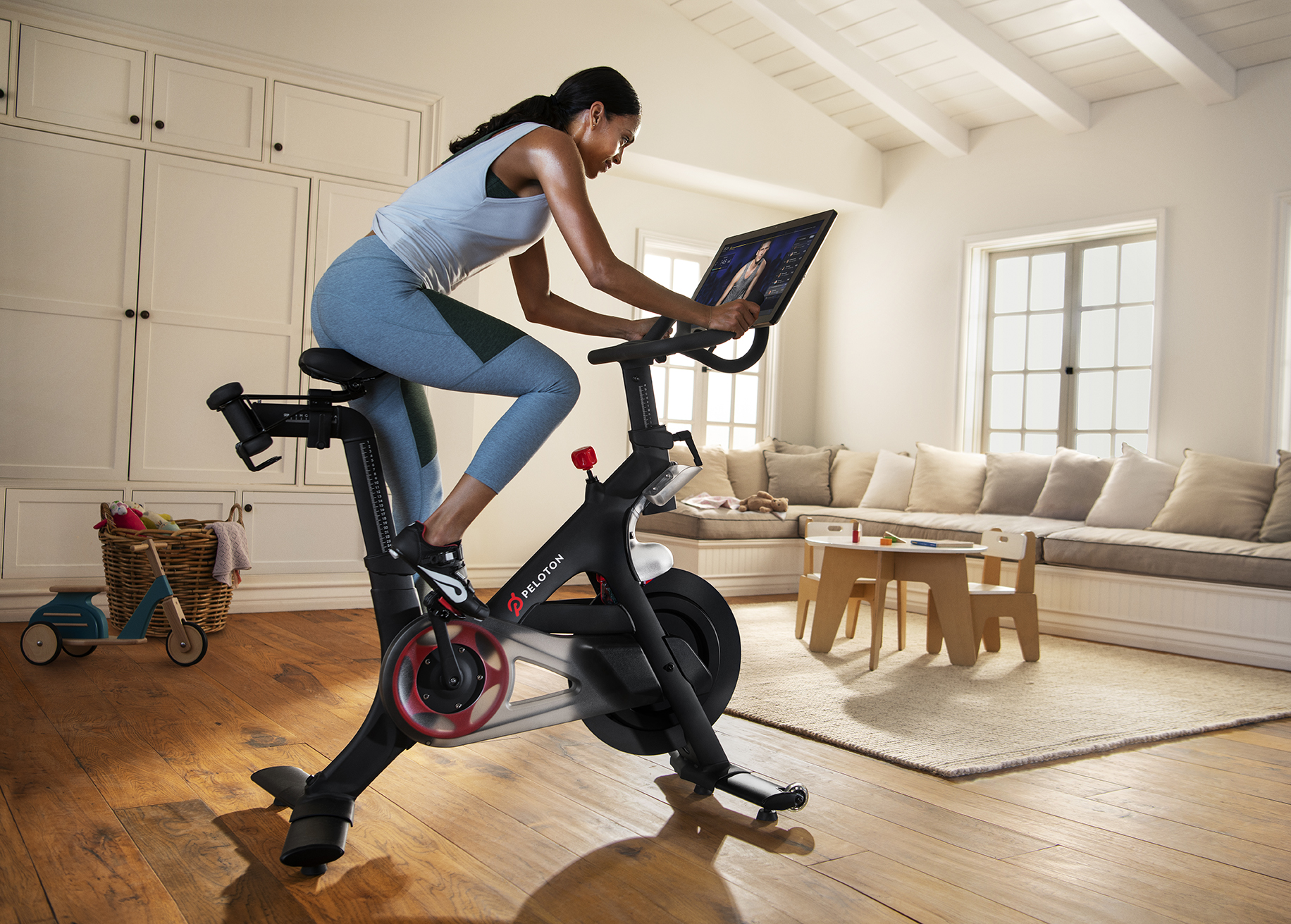
As my colleague Josh Constine recently described it, these bikes come outfitted with a 22-inch Android screen, transforming an outdated exercising experience and bringing it into 2019: “It makes lazy people like me work out. That’s the genius of the Peloton bicycle. All you have to do is Velcro on the shoes and you’re trapped. You’ve eliminated choice and you will exercise,” Constine writes.

Peloton’s ability to get people exercise — a feature driven by its talented instructors (some of whom were poached from competitor Flywheel Sports) — ultimately had venture capital investors funneling $1 billion, roughly, into the business. Today, Peloton operates dozens of showrooms across the U.S., counts 1.4 million total community members — defined as any individual who has a Peloton account — and over 500,000 paying subscribers. Why? Because the company, as stated in its IPO prospectus, “sells happiness.”

“Peloton is so much more than a Bike — we believe we have the opportunity to create one of the most innovative global technology platforms of our time,” writes Foley. “It is an opportunity to create one of the most important and influential interactive media companies in the world; a media company that changes lives, inspires greatness, and unites people.”

Peloton Bike Lifestyle 04

Peloton’s flagship product, a tech-enabled stationary bike.

Peloton’s community coupled with the high margins on sales of its $2,245 bikes had the company reporting $915 million in total revenue for the year ending June 30, 2019, an increase of 110% from $435 million in fiscal 2018 and $218.6 million in 2017. Its losses, meanwhile, hit $245.7 million in 2019, up significantly from a reported net loss of $47.9 million last year.

What’s next for Peloton? The opportunities are endless, given the company’s firm seat at the intersection of hardware, software, media content and more. A third product may be in the works, expansion to international markets or new instructors. Peloton is going after a massive market ripe for disruption. What’s certain is that we’ll see a whole lot of cash flowing into fitness tech copycats in the next couple of years.

Peloton, following a number of lukewarm consumer IPOs (Uber), nearly doubled its valuation to $8.1 billion this morning after pricing its IPO at the top of its range, $29 per share. To answer some of our most burning questions, we chatted with Peloton’s president William Lynch, the former CEO of Barnes & Noble, about the float.

The following conversation has been edited for length and clarity.

William Lynch

Peloton president and former Barnes & Noble CEO William Lynch.


Kate Clark: What’s next for Peloton?
William Lynch: We now have over a billion in capital to fuel more growth, especially in the area of product innovation.


Source: TechCrunch http://j.mp/2lVmMhK

Facebook tries hiding Like counts to fight envy

If their post has lots of Likes, you feel jealous. If your post doesn’t get enough Likes, you feel embarassed. And when you just chase Likes, you distort your life seeking moments that score them, or censor it fearing you won’t look popular without them.

That’s why Facebook is officially starting to hide Like counts on posts, first in Australia starting tomorrow, September 27th. A post’s author can still see the count, but it’s hidden from everyone else who will only be able to see who but now how many people gave a thumbs-up or other reaction.

Facebook Hides Likes

The launch of the hidden Like counts test makes available what we reported Facebook was privately prototyping earlier this month, as spotted in its Android code by reverse engineering master Jane Manchun Wong. The test will run in parallel to Instagram’s own hidden Like count test we also scooped that first tested in Canada in April before expanding to six more countries in July.

“We are running a limited test where like, reaction, and video view counts are made private across Facebook” a Facebook spokesperson tells me. “We will gather feedback to understand whether this change will improve people’s experiences.” If the test improves people’s sense of well-being without tanking user engagement, it could expand to more countries or even roll out to everyone.

Facebook’s goal here is to make people comfortable expressing themselves. It wants users to focus on the quality of what they share and how it connects them with people they care about, not just the number of people who hit the thumbs-up.

Facebook Like Counts

As you can see, comment counts will still be displayed, as will the most common types of reactions left on a post plus the faces and names of some people who Liked it.

But without a big number on friends’ posts that could make users feel insignificant, or a low number on their own posts announcing their poor reception, users might feel more carefree on Facebook. The removal could also reduce herd mentality, encouraging users to decide for themselves if they enjoyed a post rather than just blindly clicking to concur with everyone else.

As I wrote about 2 years ago, a collection of studies identify the harm Facebook can do. They found that while chatting with friends and comment threads on Facebook made people feel better, passively scrolling and Liking could lead to envy spiraling and declines in perception of well-being. Users would compare their seemingly boring life to the well-Liked glamorous moments shared by friends or celebrities and conclude they were lesser.

One concern is that Facebook Pages that have large followings and often get more Likes than individual users’ posts could miss out on extra engagement and reach without that herd mentality.

But if Facebook wants to build a social network people continue using for another 15 years, it has to put their well-being first — above brands, above engagement, and above ad dollars.


Source: TechCrunch http://j.mp/2lqPkiN

The Google Assistant can now control your Xbox One

It wasn’t so long ago that Microsoft was betting heavily on its Cortana digital assistant. That’s a bet that didn’t pay off. But since this is the new Microsoft, the company is instead betting on integrating its products with those services that its users do actually use and today, the company announced that you will now be able to control your Xbox One from the Google Assistant. For now, this feature is in beta, but you can expect a full launch later this fall.

To be clear, this doesn’t mean the Google Assistant is now available on your Xbox One and you can’t ask it for the weather. What it does mean is that you’ll be able to ask the Assistant to launch games on the Xbox, pause them, turn up the volume, etc. (Hey Google, turn off Xbox.”).

You can find a full list of supported commands here.

a9nfhgsxpxo31

This will work with virtually every Assistant-enabled device, including your iOS and Android phones. To get started, you set up the Xbox like any other third-party Assistant device in the Google Home app on Android or iOS — and that’s essentially what the Xbox One then becomes in the Assistant ecosystem: just another device you can control with it.

It’s worth noting that Microsoft, which has basically given up on Cortana for the consumer market, is also working with Amazon to bring Alexa to your PC. Microsoft doesn’t really care what you use to control your Microsoft devices, as long as you use a Microsoft or Windows 10 device. Now it’s probably just a matter of time before you can control your PC with the Assistant — or even get full Assistant support in Windows 10.


Source: TechCrunch http://j.mp/2mU7km7

OnePlus Is a TV Company Now

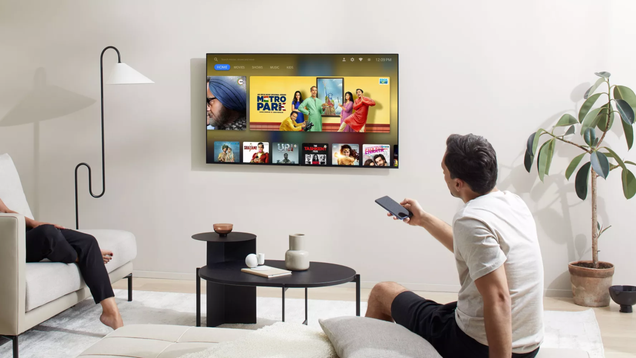
While it started off as a smartphone maker, OnePlus has since moved into other categories including wireless headphones, car chargers, and even backpacks. But now, OnePlus is making a major push into a brand new segment with its first TV.

Read more...


Source: Gizmodo http://j.mp/2mWYljV

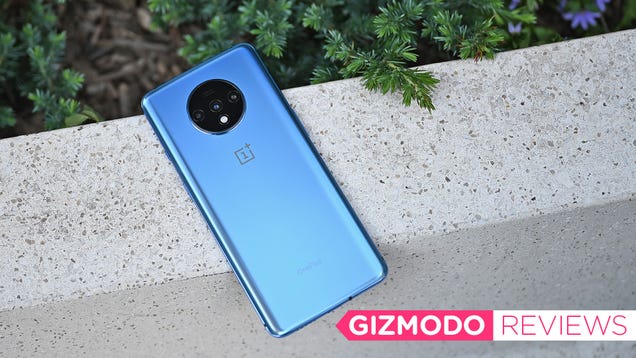
OnePlus 7T arrives with Android 10 in October for $599

For the past few years, OnePlus has happily pushed into a six-month product refresh cycle. It’s a model that’s worked well for the plucky smartphone maker, and another way it’s managed to buck some of the prevailing industry trends as competitors struggle to maintain sales amid a global slowdown.

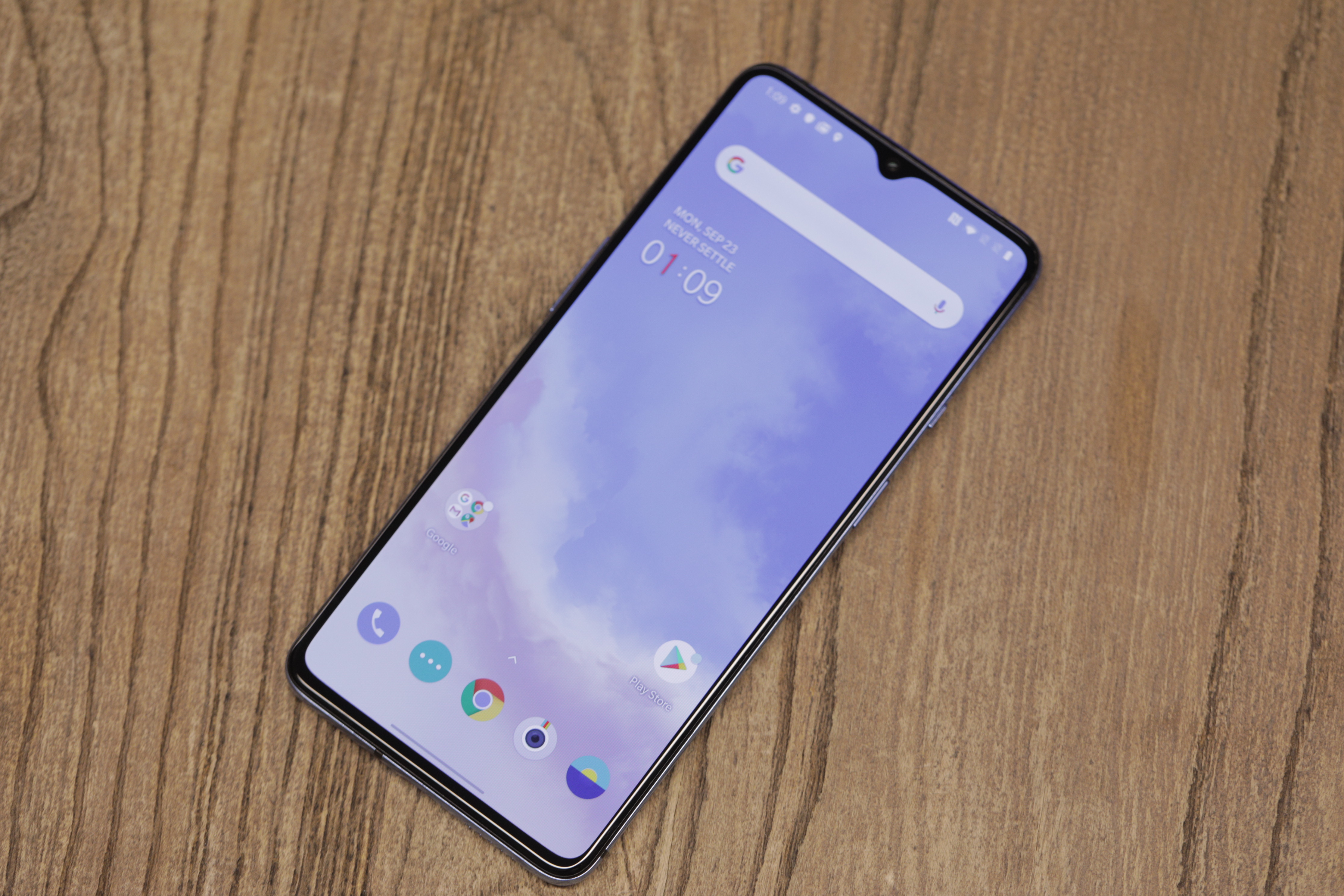
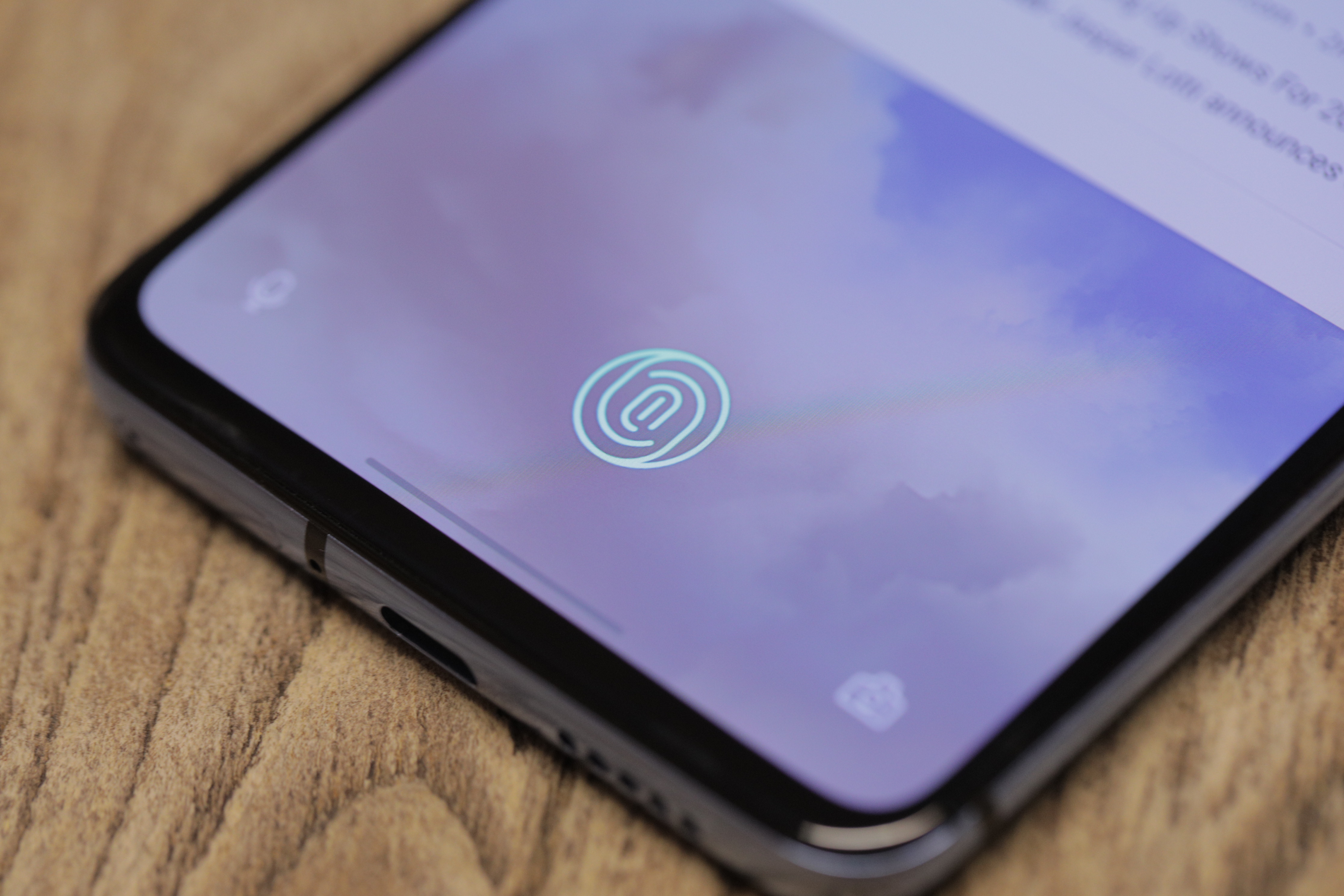
As tends to be the case, the year’s second flagship seems to mostly be about refining its predecessor — and keeping the company competitive. The OnePlus 7T adopts the 90Hz AMOLED screen offered on the 7 Pro, coupled with a three-camera set up on the rear.

OnePlus 7t

That last bit keeps with the company’s solid design language, with a large, circular configuration that’s an aesthetic improvement over Apple’s square situation. The lenses are a 48 megapixel main, 2x telephoto and ultra-wide-angle with a 117-degree field of view.

The speakers have been upgraded to include Dolby Atmos and fast charging has been amped up, promising a full charge in an hour. That’s nearly 25% faster than OnePlus’s previous version of Warp Charge.

Perhaps most interesting is that the company gets the jump on the competition by being the first to ship with Android 10 preloaded. How far the company has come from the CyanogenMod days. Of course, it continues to offer a customized experience through the “bespoke” OxygenOS.

OnePlus 7t

I’m usually resistant to Android add-ons, but OnePlus has generally done a good job augmenting and, in some cases, improving the stock Android experience. In addition to design choices, the company says the latest version of the software includes “370 rigorous optimizations.”

The best bit continues to be the pricing. The OnePlus 7T will run $599 when it starts shipping on October 18. It’s a nice price for a solid piece of hardware in an era when flagships routinely run in excess of $1,000.

[gallery ids="1885409,1885408,1885407,1885406,1885405,1885404,1885402,1885401,1885400"]


Source: TechCrunch http://j.mp/2nx0oLY

OnePlus 7T Review: A Refreshing Reset of Expectations

From its humble start making “flagship killers” in 2014, OnePlus has become one of the fastest-growing smartphone makers, ranking in the top five globally and overtaking brands like Sony, HTC, and even LG—the same companies OnePlus once sought to take down. However, as OnePlus has grown, so too has the price of its…

Read more...


Source: Gizmodo http://j.mp/2mYHTj0

Wednesday, September 25, 2019

Is Amazon’s Alexa ready to leave home and become a wearable voice assistant?

Amazon’s device event today played host to a dizzying number of product announcements, of all stripes – but notably, there are three brand new ways to wear Alexa on your body. Amazon clearly wants to give you plenty of options to take Alexa with you when you leave the house, the only place it’s really held sway so far – but can Amazon actually convince people that it’s the voice interface for everywhere, and not just for home?

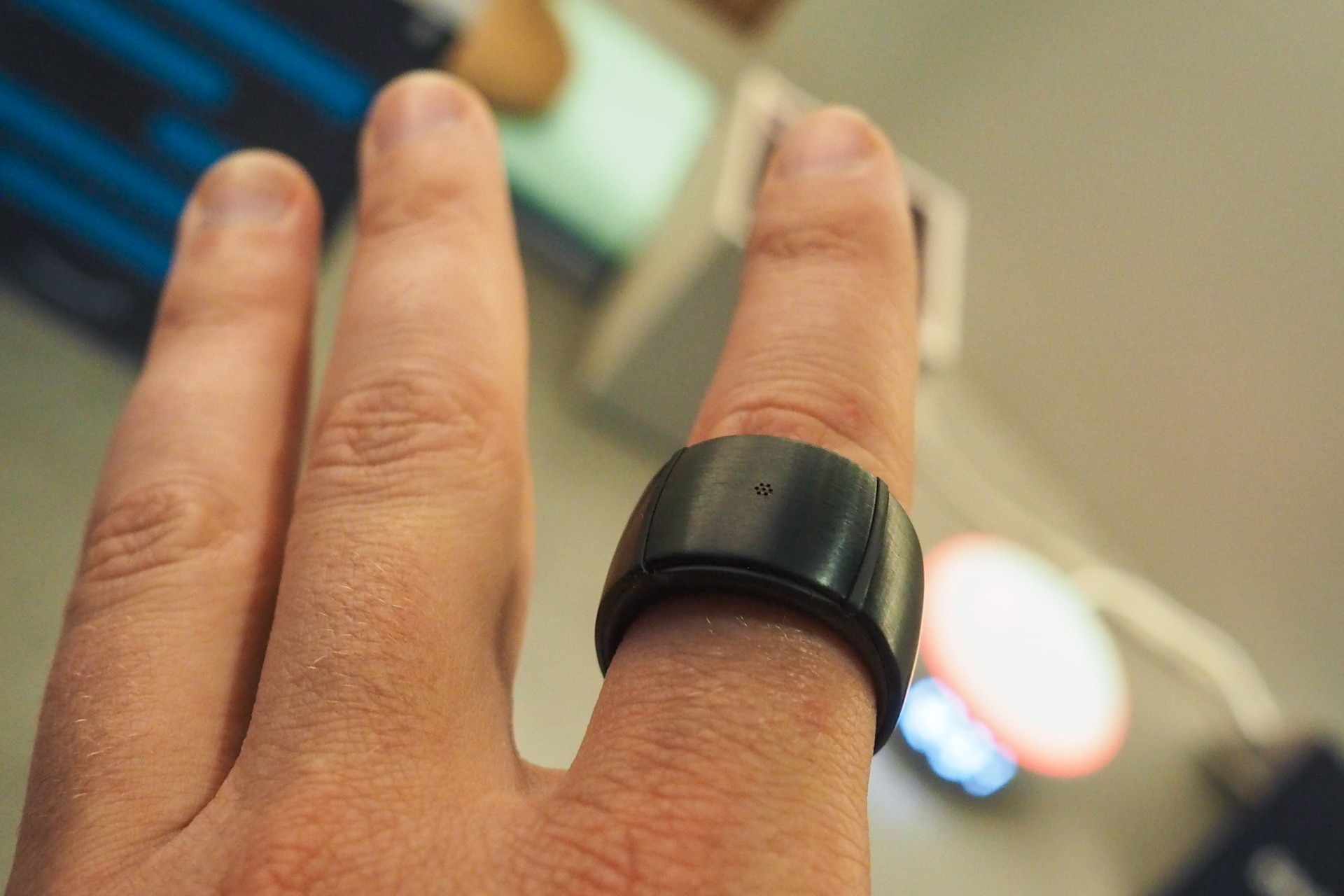
Among the products Amazon announced at its Seattle event, Echo Frames, Echo Loop and Echo Buds all provide ways to take Alexa with you wherever you go. What’s super interesting – and telling – about this is that Amazon went with three different vectors to try to convince people to wear Alexa, instead of focusing its efforts on just one. That indicates a stronger than ever desire to break Alexa out of its home environment.

alexa echo amazon 9250082

The company has tried to get this done in different ways before. Alexa has appeared in Bluetooth speakers and headphones, in some cars (including now GM, as of today) and via Amazon’s own car accessory – and though the timing didn’t line up, it would’ve been a lock for Amazon’s failed Fire Phone.

Notice that none of these existing examples have helped Amazon gain any apparent significant market share when it comes to Alexa use on the go. While we don’t have great stats on how well-adopted Alexa is in car, for instance, it stands to reason that we’d be hearing a lot more about its success if it was indeed massively successful – in the same way we hear often about Alexa’s prevalence in the home.

Amazon lacks a key vector that other voice assistants got for free: Being the default option on a smartphone. Google Assistant manages this through both Google’s own, and third-party Android phones. Apple’s Siri isn’t often celebrated for its skill and performance, but there’s no question that it benefits from just being the only really viable option on iOS when it comes to voice assistant software.

Amazon had to effectively invent a product category to get Alexa any traction at all – the Echo basically created the smart speaker category, at least in terms of significant mass market uptake. Its success with its existing Echo devices proves that this category served a market need, and Amazon has reaped significant reward as a result.

But for Amazon, a virtual assistant that only operates in the confines of the home covers only a tiny part of the picture when it comes to building more intelligent and nuanced customer profiles, which is the whole point of the endeavour to begin with.  While Americans seem to be spending more time at home than ever before, a big percentage of peoples’ days is still spent outside, and this is largely invisible to Alexa.

The thing is, the only reliable and proven way to ensure you’re with someone throughout their entire day is to be on their smartphone. Alexa is, via Amazon’s own app, but that’s a far cry from being a native feature of the device, and just a single tap or voice command away. Amazon’s own smartphone ambitions deflated pretty quickly, so now it’s casting around for alternatives – and Loop, Frames and Buds all represent its most aggressive attempts yet.

alexa echo amazon 9250074

A smart spread of bets, each with their own smaller pool of penetration among users vs. a general staple like a smartphone, might be Amazon’s best way to actually drive adoption – especially if they’re not concerned with the overall economics of the individual hardware businesses attached to each.

The big question will be whether A) these products can either offer enough value on their own to justify their continued use while Alexa catches up to out-of-home use cases from a software perspective, or B) Amazon’s Alexa team can interate the assistant’s feature set quick enough to make it as useful on the go as it is at home, which hasn’t seemed like something it’s been able to do to date (not having direct access to smartphone functions like texting and calling is probably a big part of that).

Specifically for these new products, I’d put the Buds at the top of the list as the most likely to make Alexa a boon companion for a much greater number of people. The buds themselves offer a very compelling price point for their feature set, and Alexa coming along for the ride is likely just bonus for a large percent of their addressable market. Both the Frames and the Loop seem a lot more experimental, but Amazon’s limited release go-to-market strategy suggest its planned for that as well.

In the end, these products are interesting and highly indicative of Amazon’s direction and ambition with Alexa overall, but I don’t think this is the watershed moment for the digital assistant beyond the home. Still, it’s probably among the most interesting spaces in tech to watch, because of how much is at stake for both winners and losers.


Source: TechCrunch http://j.mp/2mNCviE